

Short Answer
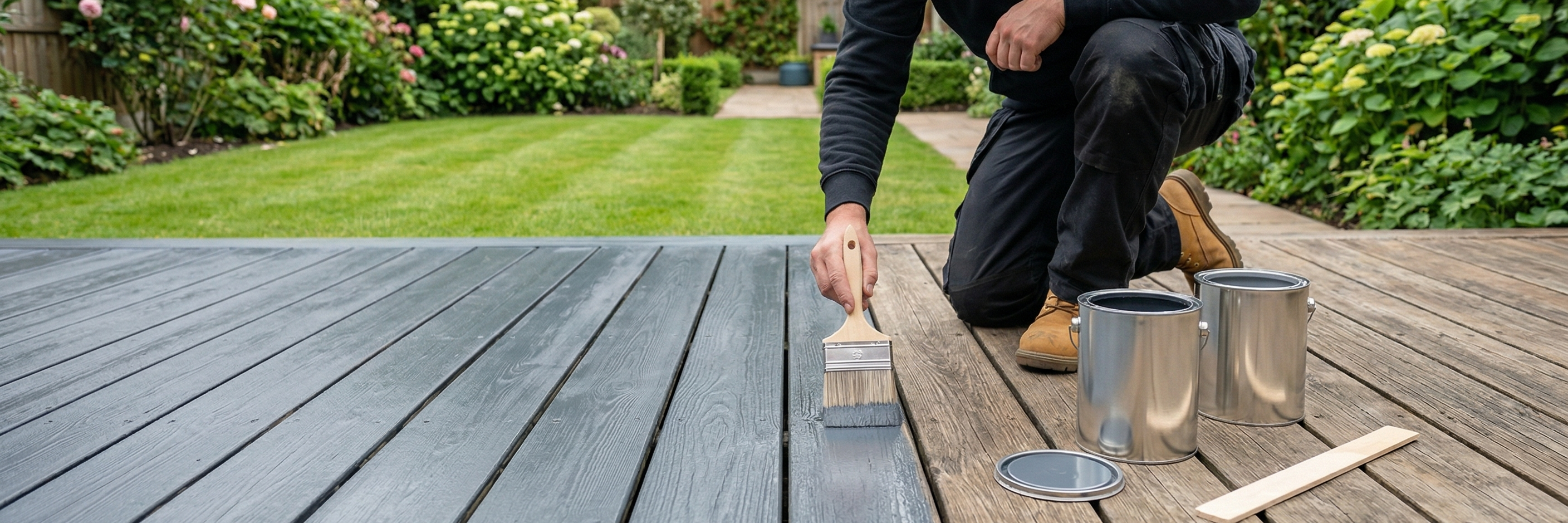
The best paint for garden decking is a specialist water-based acrylic paint, like our Everest - DEKCOAT - Ultimate Decking Paint.
Explanation:
A timber deck is the focal point of a summer garden, but it is also the hardest surface to keep looking fresh. Every year, countless homeowners spend their weekends pressure washing away last year's peeling deck treatment, only to apply another cheap stain that will inevitably fail by next spring.
If your decking is constantly flaking, scratching, or turning grey, the issue isn't your prep work; it is the chemistry of your paint. Standard wood stains and generic "exterior paints" simply cannot survive the unique physical punishment that horizontal decking endures.
To break the cycle of endless maintenance, you need to upgrade to a heavy-duty, reinforced Water-Based Acrylic paint, like our DEKCOAT system.
Here is exactly why choosing a dedicated acrylic decking paint is the smartest way to protect your outdoor living space.
1. The Horizontal Battlefield: Abrasion & Standing Water
Unlike fence panels, decking is horizontal. It doesn't just sit there; it gets used. It has to survive heavy foot traffic, muddy boots, the scraping of heavy patio chairs, and the friction of barbecue wheels. Furthermore, when it rains, water doesn't quickly run off—it sits in puddles on the boards.
-
The Problem with Standard Paints: Basic fence treatments and standard glosses are too soft. If water sits on them, the resin softens. The very next time someone walks across the wet deck, their shoes will physically rub the weakened paint right off the timber.
-
The Acrylic Advantage: High-quality water-based acrylics designed for decking (like DEKCOAT) contain reinforced binders. They cure to form an incredibly tough, scuff-resistant finish. This specialized acrylic chemistry can handle the daily friction of garden life and resist standing water without deteriorating, keeping your floor fully protected.
2. The Rubber Band Effect: Unmatched Flexibility
Decking boards are particularly vulnerable because the Sun beats directly down on the top surface, drying it out, while the underside absorbs dampness from the soil below. This causes the boards to constantly swell, shrink, and warp.
-
The Problem with Rigid Paints: If you coat your decking with a hard, oil-based paint or a brittle varnish, it forms a rigid shell. When the deck boards inevitably expand and contract with the weather, the rigid paint cannot stretch. Hairline cracks appear, and water gets underneath, causing massive peeling.
-
The Acrylic Advantage: Acrylic resins are naturally "thermoplastic." They cure into a highly flexible, rubber-like skin over the wood. When your decking boards warp in the summer heat or swell in the winter rain, the acrylic paint stretches and moves with the grain, eliminating the cracking and flaking associated with traditional paints.
3. Complete Breathability
Because decking sits horizontally just inches above the earth, ground moisture is constantly evaporating upwards into the underside of the timber. That moisture needs a way to escape.
-
The Problem with Sealers: Heavy, impermeable varnishes trap rising ground moisture inside the wood. When the Sun heats the surface of the deck, the trapped water turns to vapour, builds intense pressure, and physically blows the paint off the boards in large blisters. It also accelerates wet rot from the inside out.
-
The Acrylic Advantage: Premium water-based acrylics are "microporous." The paint structure contains microscopic pores that stop heavy rain from soaking down into the wood, but are large enough to allow rising moisture vapour to easily escape up and out. Your deck stays protected from the rain, but the timber underneath breathes and remains healthy.
4. Opaque Coverage vs. Translucent Stains
When reviving a deck, you have to choose between a translucent stain (which highlights the natural wood grain) and an opaque paint (which covers the wood completely in a solid colour).
If you have just installed a brand-new, expensive hardwood deck, a clear oil or stain is a great choice. However, most garden decks are older. They are weathered, covered in stubborn BBQ grease stains, or peppered with mismatched replacement boards.
-
The Acrylic Advantage: Products like DEKCOAT are high-build, opaque paints. They completely blanket the timber in a solid, uniform colour. This instantly hides ugly stains, fills in minor surface splinters, and transforms a tired, patchy deck into a sleek, modern, and unified outdoor floor.
Conclusion
Decking takes more abuse than almost any other surface in your garden. Choosing the right coating is the difference between a pristine outdoor floor that lasts for years, and a peeling, slippery mess you have to scrape back and repaint every single summer.
By avoiding cheap, watery stains and choosing a premium, scuff-resistant water-based acrylic, you give your timber the absolute best defense against foot traffic and the British weather.
-
Scuff-resistant to survive foot traffic
-
Flexible to stop cracking and peeling
-
Breathable to prevent wet rot
Ready to reclaim your outdoor living space?
→ Shop our DEKCOAT Water-Based Acrylic Decking Paints.
Share:
Best Paint for Exterior Cladding: Acrylic vs. Oxide Gloss
Best Paint for Fence Panels? Why You Need Water-Based Acrylic