System Overview
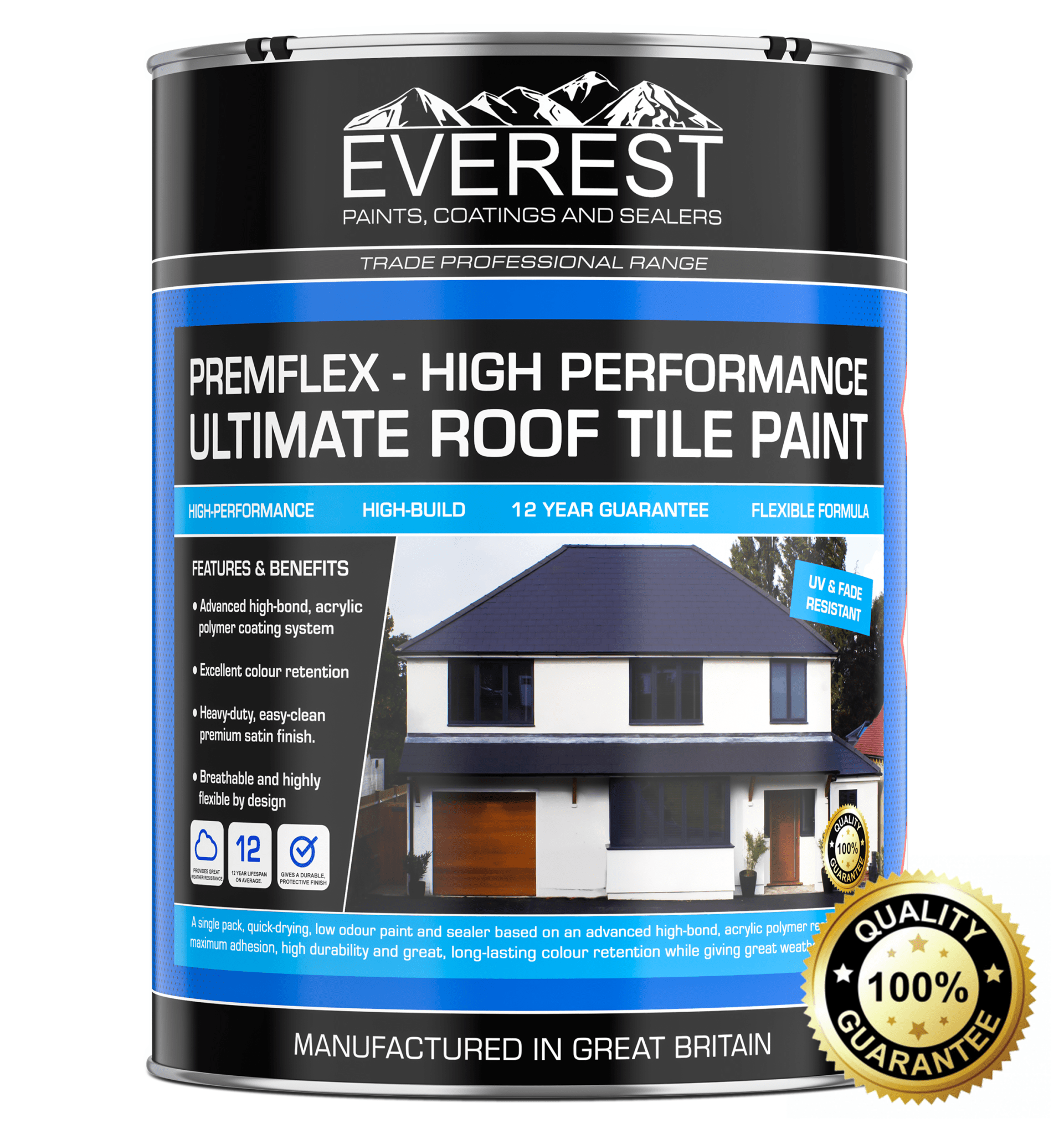
For concrete roof tiles, concrete roofing elements, and previously coated roof surfaces, protective roof coatings provide a weather-resistant layer designed to improve durability and restore the appearance of ageing roof structures. Roof paints form a protective film across prepared substrates, helping reduce moisture penetration while protecting surfaces from prolonged exposure to sunlight and environmental weathering.
Exterior roof surfaces experience continuous environmental stress from rainfall, UV radiation, temperature variation, and airborne contamination. Over time, untreated or weathered roof tiles can lose colour, absorb moisture, and develop surface deterioration. Roof coating systems help restore surface protection while improving the visual consistency of the roof.
EVEREST and EVEREST SummitSeal roof coatings utilise acrylic and oil-based technologies designed to adhere to mineral roofing materials. Acrylic coatings typically provide good UV stability and weather resistance, while oil-based systems can deliver durable film formation across prepared roof surfaces.
These coatings are commonly used in maintenance and refurbishment projects to extend the service life of residential and light commercial roofing structures.
Suitable Substrates & Surface Preparation
Concrete roof tiles and concrete roofing surfaces must be properly prepared before applying roof coatings to ensure reliable adhesion and consistent coverage.
Roofs often accumulate dirt, algae, moss, and environmental debris that must be removed prior to coating. Cleaning is typically carried out using pressure washing or appropriate surface cleaning methods to restore the substrate condition.
Any loose or deteriorated coatings from previous applications should be removed before applying new coating layers. Areas of damaged or unstable substrate should be repaired prior to coating to maintain the integrity of the roof surface.
Previously coated roofs may be recoated where the existing coating remains well adhered. Light abrasion and cleaning may be required to provide a suitable base for the new coating layer.
Because roof coatings are applied to exposed exterior surfaces, the substrate must be fully dry before application to ensure correct film formation and adhesion.
Performance Characteristics & Limitations
Roof paints provide a protective barrier that helps reduce water penetration and protect roofing substrates from environmental exposure. The coating film helps maintain the integrity of the surface while restoring a consistent decorative finish across weathered roofs.
Acrylic roof coatings are commonly used on concrete roof tiles due to their flexibility and resistance to UV degradation. These coatings help preserve colour stability while protecting the surface from weathering.
Oil-based roof coatings can provide robust film formation and strong adhesion across prepared roof substrates. These systems are often used where durable surface protection and refurbishment of older roof surfaces are required.
Despite these protective benefits, standard roof paints are typically designed for maintenance and refurbishment rather than full waterproofing. They help improve weather resistance but do not replace specialist roofing membranes used for flat roofs or structural waterproofing systems.
Performance is also dependent on correct surface preparation and application under suitable environmental conditions.
Internal vs External Considerations
Roof coatings in this category are designed specifically for exterior use. Roof surfaces are continuously exposed to weather conditions including rainfall, sunlight, wind, and seasonal temperature variation.
Exterior roof paints must therefore maintain adhesion and surface durability under prolonged environmental exposure. Acrylic technologies are commonly used for this purpose due to their ability to withstand UV radiation and maintain flexibility over time.
Because these coatings are intended for exposed roof structures, they are not suitable for interior surfaces or enclosed environments.
Application timing and weather conditions should also be considered when coating roofs to ensure correct curing and long-term coating performance.
Selection Guidance & When to Specify Alternatives
Roof paints and coatings are typically specified for refurbishment and maintenance of concrete roof tiles and mineral roof surfaces where weather protection and visual improvement are required.
They are commonly used on residential houses, garages, agricultural buildings, workshops, and light commercial properties where roof surfaces require restoration or protective maintenance.
However, roofs experiencing significant water ingress or requiring structural waterproofing may require more specialised roofing systems. Flat roofs, in particular, often require dedicated waterproofing membranes rather than conventional roof paints.
Selecting the appropriate roof coating should therefore consider the type of roofing material, the condition of the existing surface, and the level of environmental exposure to ensure reliable long-term protection.