

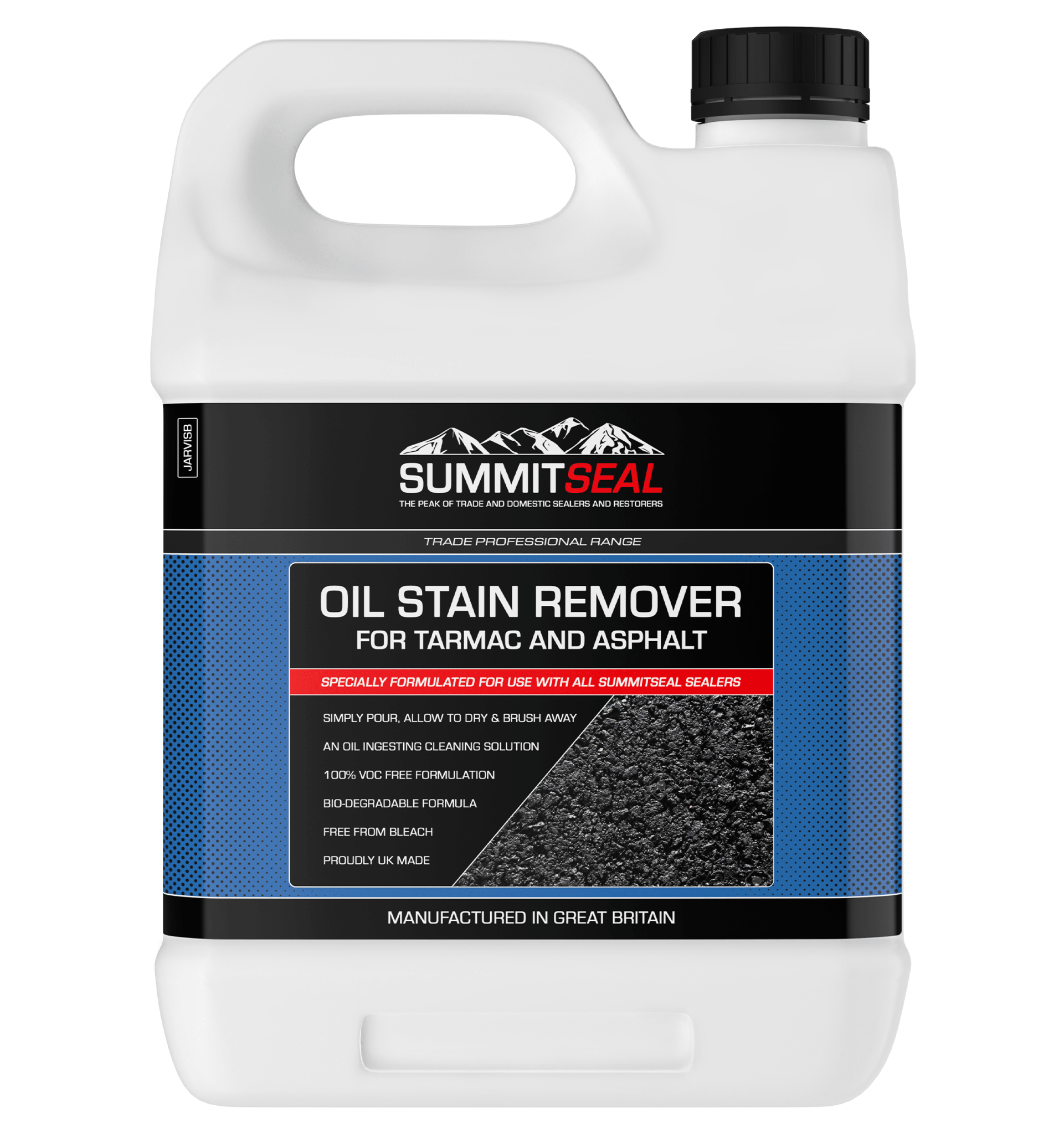
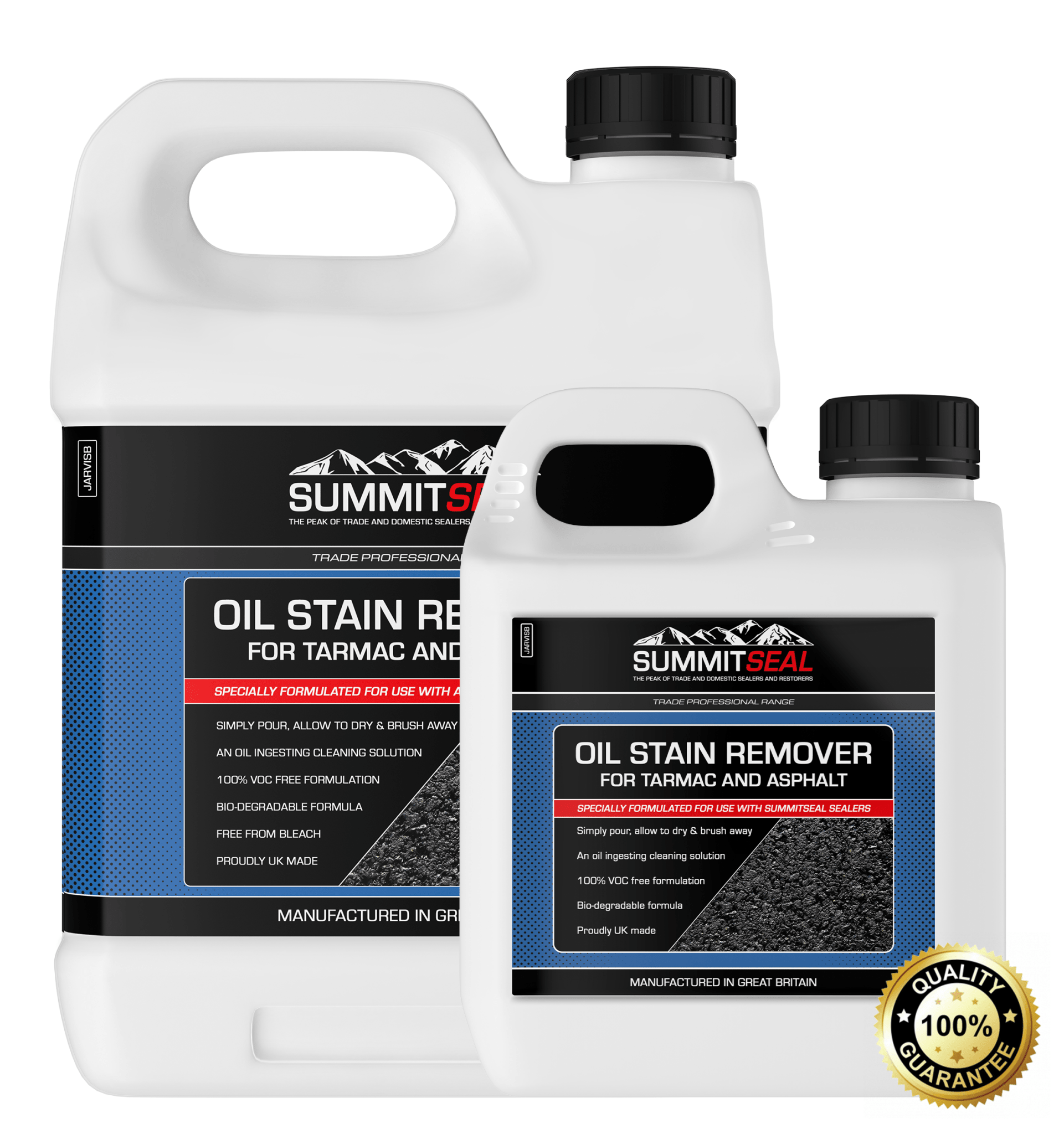
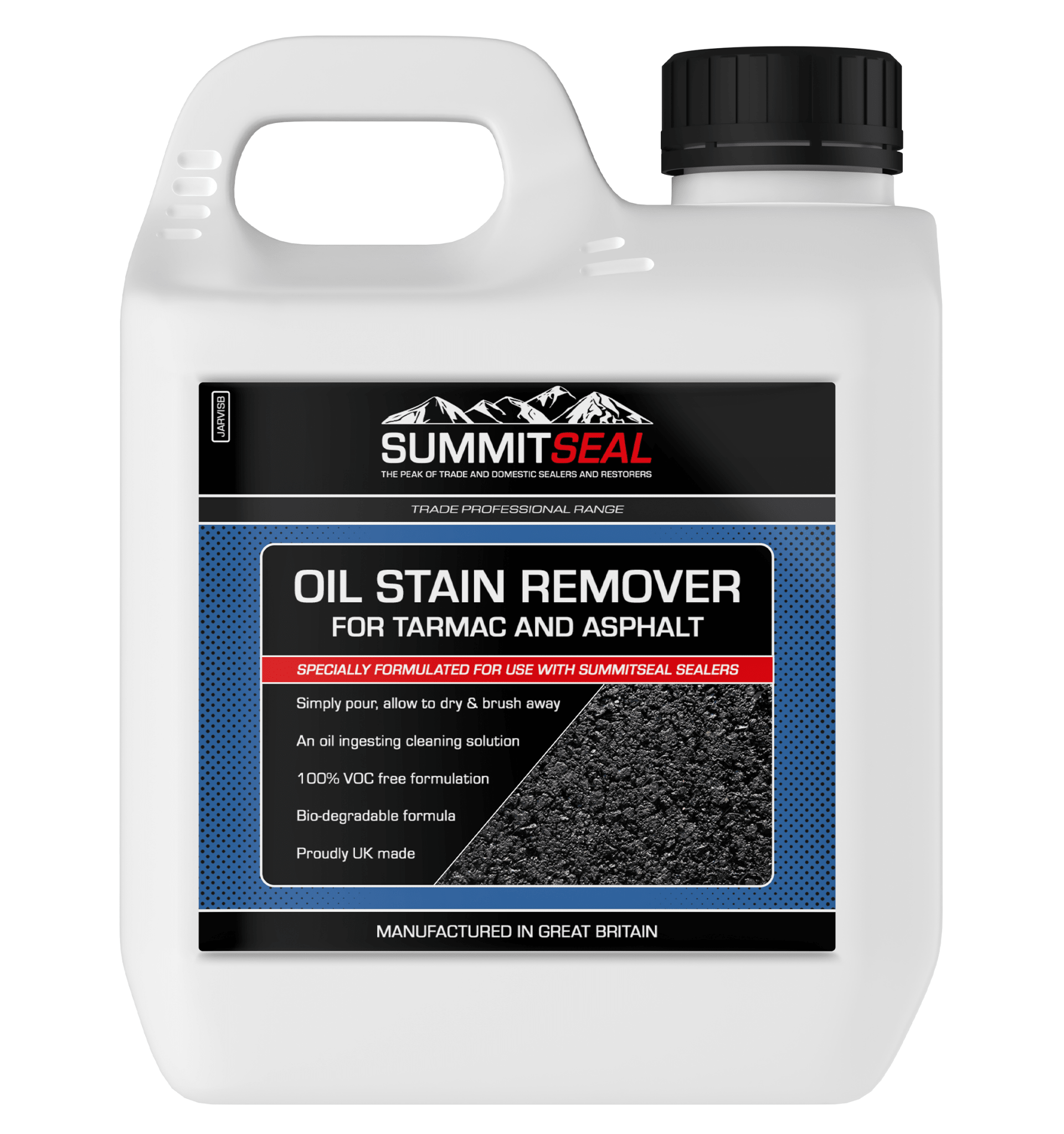

SummitSeal - Smacchiatore d'olio per asfalto e asfalto (disponibile nei formati da 1 e 5 litri)
Una soluzione che assorbe olio per rimuovere macchie antiestetiche di olio e grasso dall'asfalto e dall'asfalto. Eccellente per il sollevamento di oli e grassi da superfici porose, come vialetti, vialetti e parcheggi.
Può essere utilizzato prima della sigillatura con Everest Trade Ultimate Tarmac Restorer .
USI
Eccellente per il sollevamento di oli e grassi da superfici porose, come ad es
vialetti, sentieri e parcheggi. Ottimo per perdite di olio dalle auto o macchie di grasso dai barbecue.
PREPARAZIONE
Spazzolare via lo sporco e i detriti prima dell'applicazione. Assicurarsi che l'area da trattare sia completamente asciutta.
APPLICAZIONE
Agitare bene prima dell'uso. Versare SUMMITSEAL OIL STAIN REMOVER sulla macchia di olio o grasso, assicurandosi che la macchia sia completamente coperta, non applicare eccessivamente il prodotto e assicurarsi che la macchia sia coperta con uno strato sottile. Lasciare semplicemente fino a completa asciugatura (minimo 3-4 ore). Appena è asciutto, lavalo via . Condizioni fredde o umide rallenteranno i tempi di asciugatura. Una volta asciugata, la zona deve essere spazzata con una scopa rigida per rimuovere il prodotto essiccato. Pulisci l'area trattata per garantire che tutti i residui di polvere siano completamente rimossi. Per fuoriuscite di petrolio che coprono un'area più ampia, SUMMITSEAL OIL STAIN REMOVER può essere diluito 1:1 con acqua. a seconda delle dimensioni della zona potrebbe essere necessario l'utilizzo di una spazzola per stendere il prodotto. Potrebbe essere necessaria anche una seconda applicazione.
LIMITAZIONI
Non applicare su superfici bagnate o umide. Non utilizzare in caso di pioggia imminente (proteggere dalla pioggia finché non è asciutto). Non utilizzare a temperature inferiori a 5 C o superiori a 30 C.
CONDIZIONI DI ARCHIVIAZIONE
Conservare in luogo fresco e asciutto in un contenitore sigillato. Conservare a temperatura compresa tra 5 C e 30 C. Proteggere dal gelo.
COPERTURA
1 m2 per 1 litro.
SMALTIMENTO CONTENITORI
Non lasciare contenitori vuoti dove i residui potrebbero essere dannosi per i bambini, gli animali o l'ambiente. Sostituire i coperchi e rimuovere tutti i contenitori in un punto di smaltimento centrale in conformità con le normative locali o inviarli per il riciclaggio.
SALUTE E SICUREZZA
Fare riferimento alla scheda dati di sicurezza separata per le istruzioni complete su manipolazione, uso e conservazione. Tenere fuori dalla portata dei bambini. È responsabilità dell'utente determinare l'idoneità all'uso. In caso di dubbi contattare il nostro Ufficio Tecnico per un consiglio.
Nota: queste informazioni sono solo indicative generali, poiché le condizioni del sito e la manodopera sono fuori dal nostro controllo. Si consiglia agli utenti di effettuare i propri test per determinare l'idoneità.
Delivery & Technical Support
Same Day Dispatch (Order by 11am)
Buy Direct From The Manufacturer
We Deliver To Mainland Europe
Technical Support From Coating Specialists
Our technical team can assist with product selection, surface preparation and application guidance.
Contact Technical SupportIf you have any questions, you are always welcome to contact us. We'll get back to you as soon as possible, within 24 hours on weekdays.
-
Delivery Information
Items dispatched the same working day if ordered before 11am, click here to read delivery policy
-
Customer Support
Looking for answers? Visit our Technical Hub for comprehensive advice on products, preparation, and troubleshooting, or simply call us on the number below.
-
FAQ’s
We get asked a lot of question, from preparation, product suitability to delivery information and returns. You can read through our most commonly asked questions Here
-
Contact Us
Need help, Call us on 0800 043 8220 from 8am to 4pm Monday to Friday and we will do our best to help.
Essential Information
Product Details
Description
Una soluzione che assorbe olio per rimuovere macchie antiestetiche di olio e grasso dall'asfalto e dall'asfalto. Eccellente per il sollevamento di oli e grassi da superfici porose, come vialetti, vialetti e parcheggi.
Può essere utilizzato prima della sigillatura con Everest Trade Ultimate Tarmac Restorer .
USI
Eccellente per il sollevamento di oli e grassi da superfici porose, come ad es
vialetti, sentieri e parcheggi. Ottimo per perdite di olio dalle auto o macchie di grasso dai barbecue.
PREPARAZIONE
Spazzolare via lo sporco e i detriti prima dell'applicazione. Assicurarsi che l'area da trattare sia completamente asciutta.
APPLICAZIONE
Agitare bene prima dell'uso. Versare SUMMITSEAL OIL STAIN REMOVER sulla macchia di olio o grasso, assicurandosi che la macchia sia completamente coperta, non applicare eccessivamente il prodotto e assicurarsi che la macchia sia coperta con uno strato sottile. Lasciare semplicemente fino a completa asciugatura (minimo 3-4 ore). Appena è asciutto, lavalo via . Condizioni fredde o umide rallenteranno i tempi di asciugatura. Una volta asciugata, la zona deve essere spazzata con una scopa rigida per rimuovere il prodotto essiccato. Pulisci l'area trattata per garantire che tutti i residui di polvere siano completamente rimossi. Per fuoriuscite di petrolio che coprono un'area più ampia, SUMMITSEAL OIL STAIN REMOVER può essere diluito 1:1 con acqua. a seconda delle dimensioni della zona potrebbe essere necessario l'utilizzo di una spazzola per stendere il prodotto. Potrebbe essere necessaria anche una seconda applicazione.
LIMITAZIONI
Non applicare su superfici bagnate o umide. Non utilizzare in caso di pioggia imminente (proteggere dalla pioggia finché non è asciutto). Non utilizzare a temperature inferiori a 5 C o superiori a 30 C.
CONDIZIONI DI ARCHIVIAZIONE
Conservare in luogo fresco e asciutto in un contenitore sigillato. Conservare a temperatura compresa tra 5 C e 30 C. Proteggere dal gelo.
COPERTURA
1 m2 per 1 litro.
SMALTIMENTO CONTENITORI
Non lasciare contenitori vuoti dove i residui potrebbero essere dannosi per i bambini, gli animali o l'ambiente. Sostituire i coperchi e rimuovere tutti i contenitori in un punto di smaltimento centrale in conformità con le normative locali o inviarli per il riciclaggio.
SALUTE E SICUREZZA
Fare riferimento alla scheda dati di sicurezza separata per le istruzioni complete su manipolazione, uso e conservazione. Tenere fuori dalla portata dei bambini. È responsabilità dell'utente determinare l'idoneità all'uso. In caso di dubbi contattare il nostro Ufficio Tecnico per un consiglio.
Nota: queste informazioni sono solo indicative generali, poiché le condizioni del sito e la manodopera sono fuori dal nostro controllo. Si consiglia agli utenti di effettuare i propri test per determinare l'idoneità.
Files & Data Sheets
The Knowledge Hub
Everything You Need to Know
Browse our collection of in-depth articles and how-to guides designed to help you get the most out of this product. whether you need help with surface preparation or application advice, we have you covered.
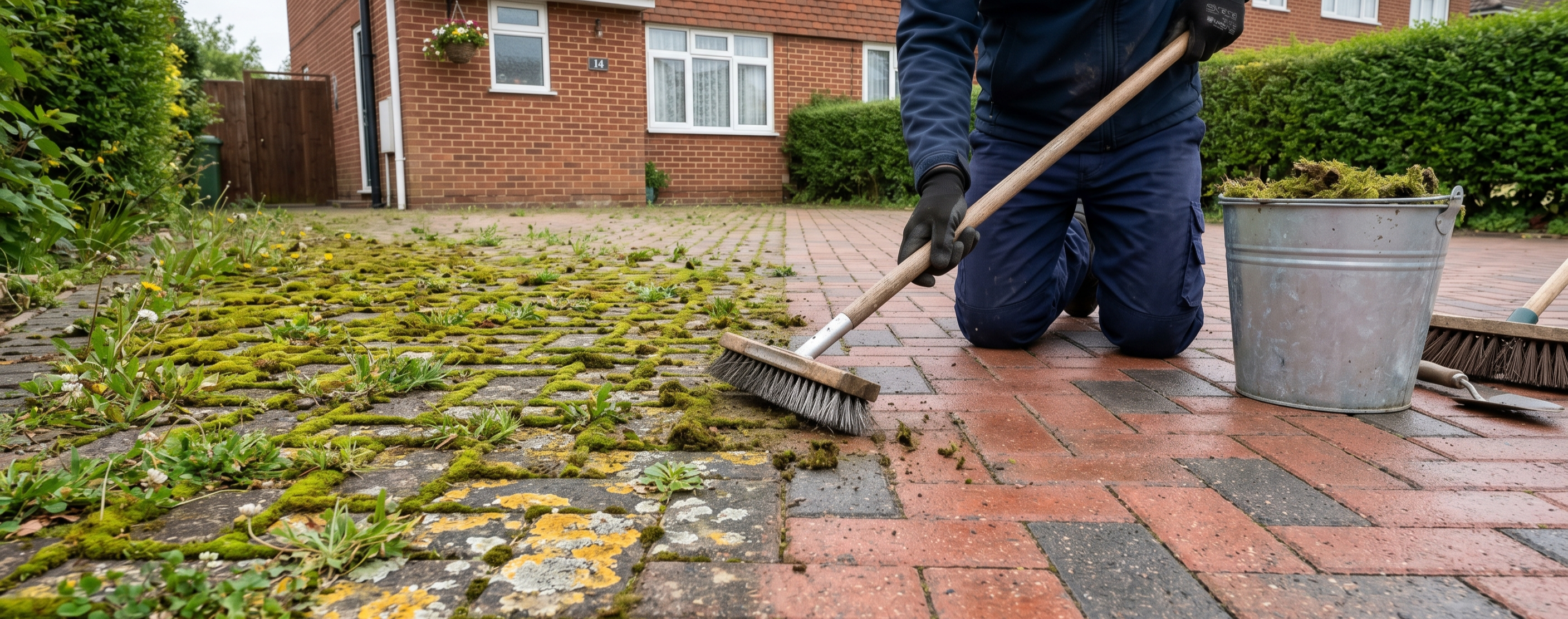
- scritto da Sam Marriott
Restoring Block Paving: Removing Moss, Weeds, and Lichen
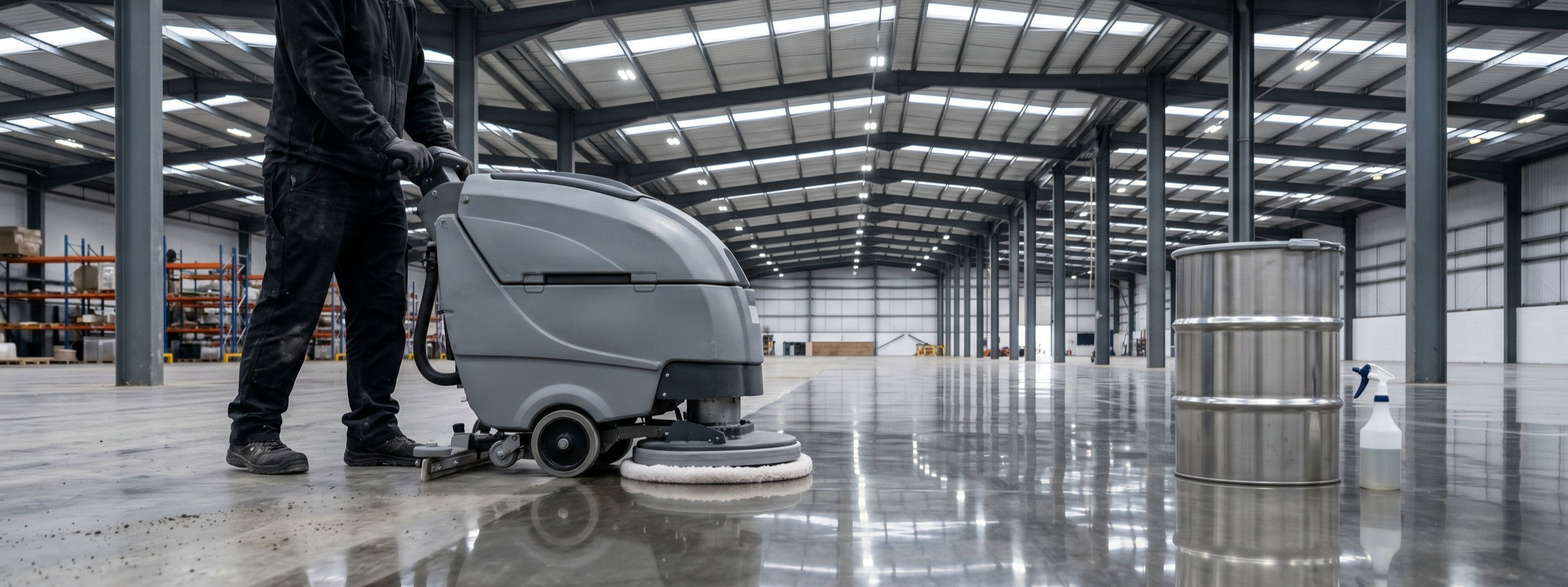
- scritto da Sam Marriott
Deep Cleaning Polished Concrete Without Damaging the Shine
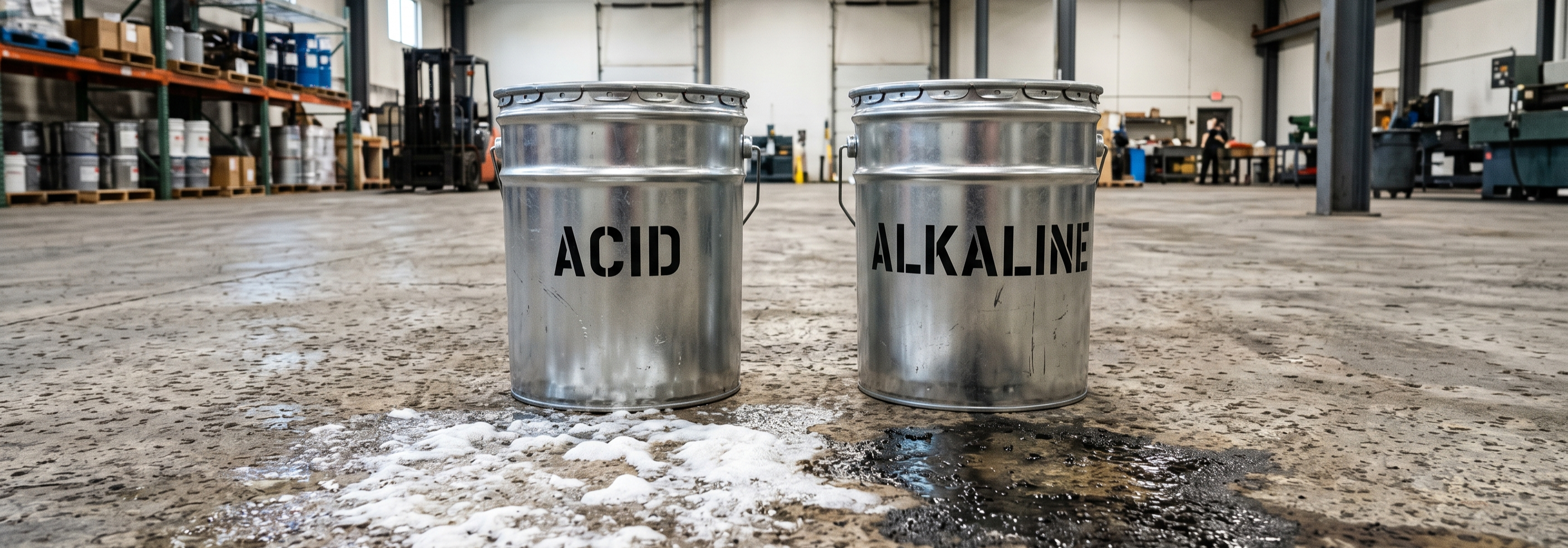
- scritto da Sam Marriott
Acid vs. Alkaline Concrete Cleaners: Which is Best for Your Floor?

- scritto da Sam Marriott
How to Sand a Painted Concrete Floor for Recoating