

Guides and Posts
Of Products
Help Categories
Helpful Staff
Product Selection & System Guidance
Find the Right Coating
Search by surface, use or coating type to access the correct selection guide. From masonry and metal to timber, cladding and roof coatings, choose the right system for your application.
- 0 opmerkingen
- door Sam Marriott
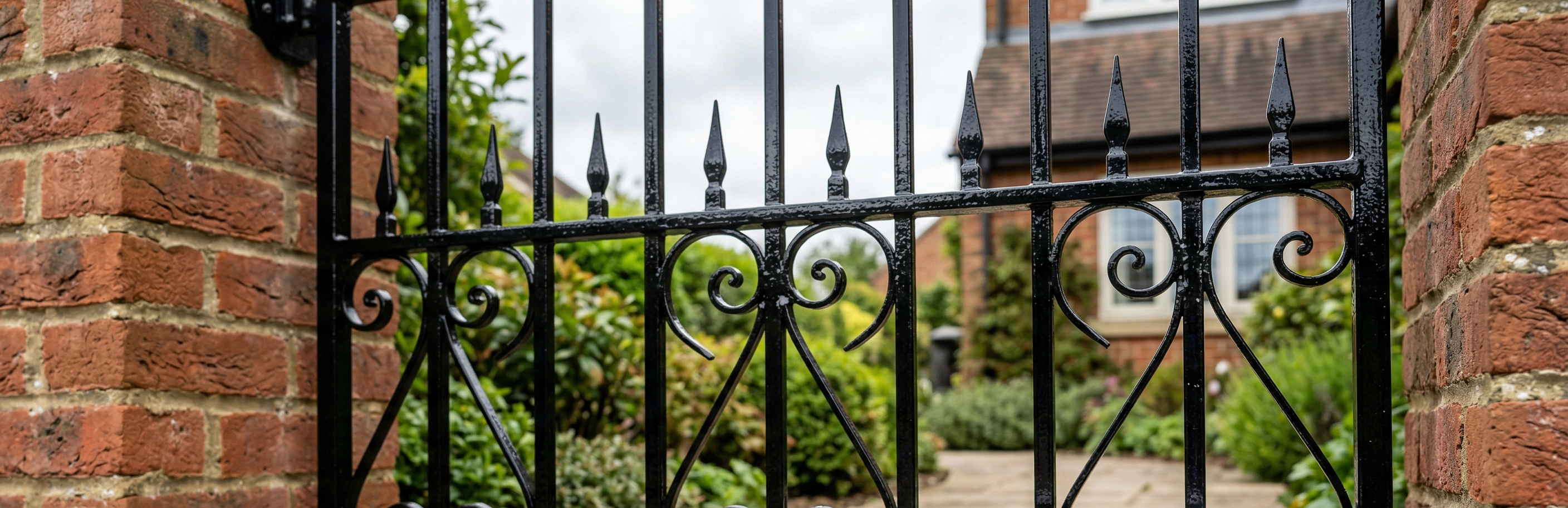
Best Paint for Exterior Metal? Why Oil-Based Gloss is the Ultimate Topcoat
- 0 opmerkingen
- door Sam Marriott
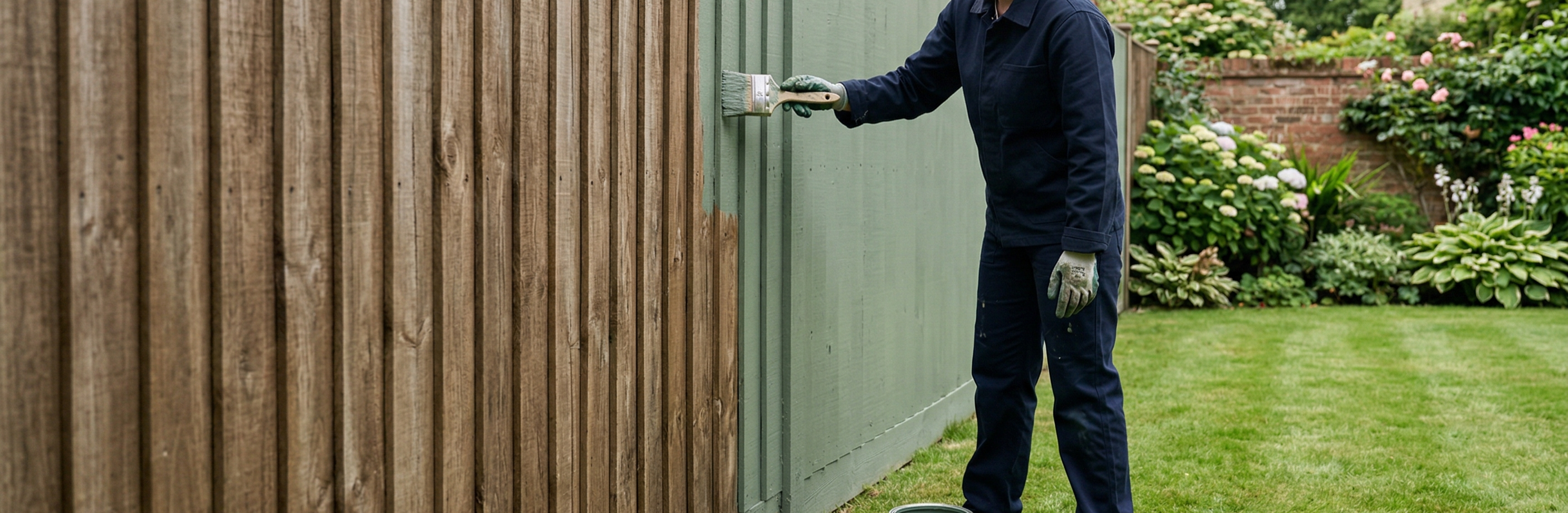
Best Paint for Fence Panels? Why You Need Water-Based Acrylic
- 0 opmerkingen
- door Sam Marriott
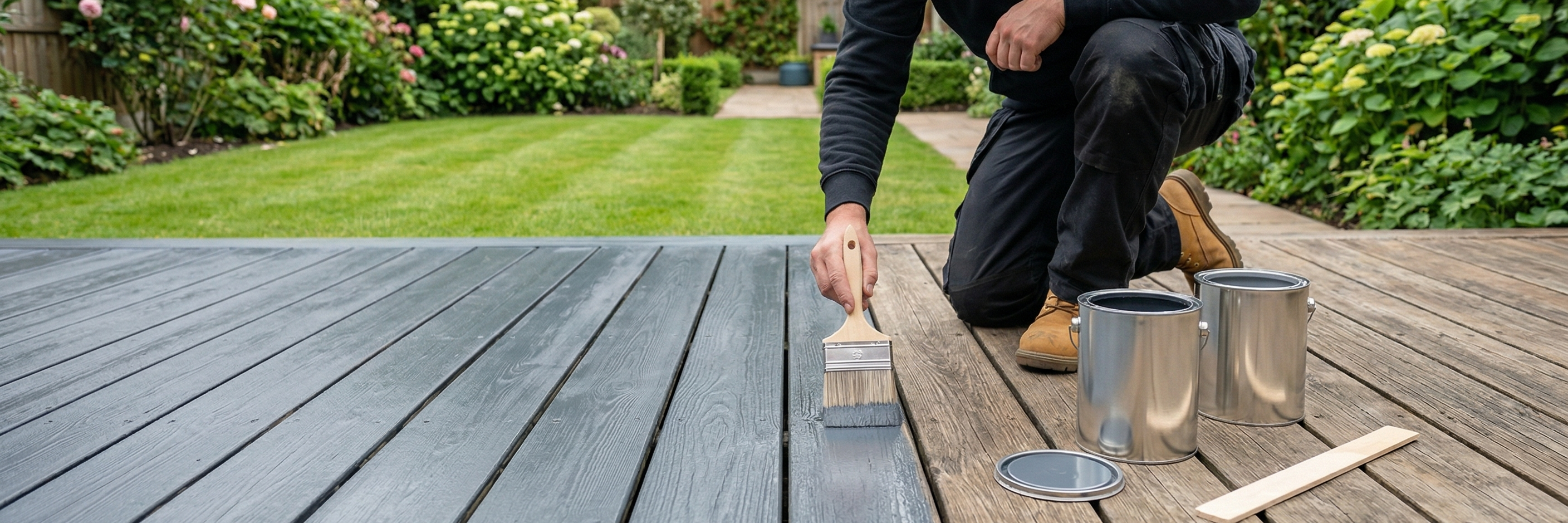
Best Paint for Decking? Why You Need Water-Based Acrylic
- 0 opmerkingen
- door Sam Marriott
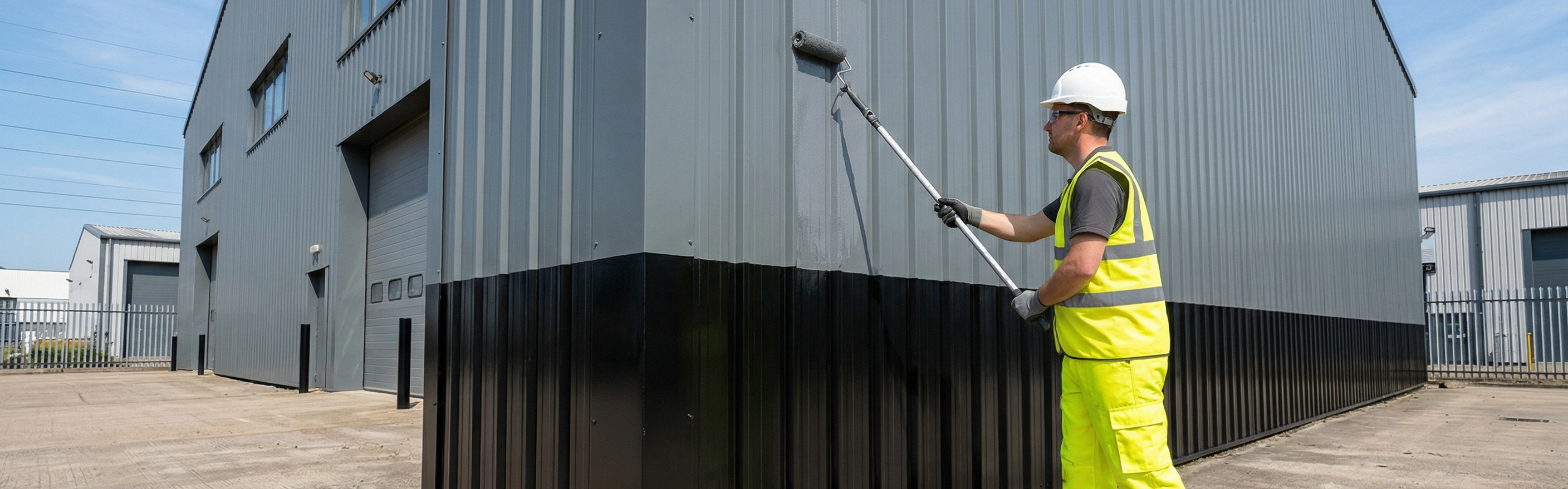
Best Paint for Exterior Cladding: Acrylic vs. Oxide Gloss
- 0 opmerkingen
- door Sam Marriott
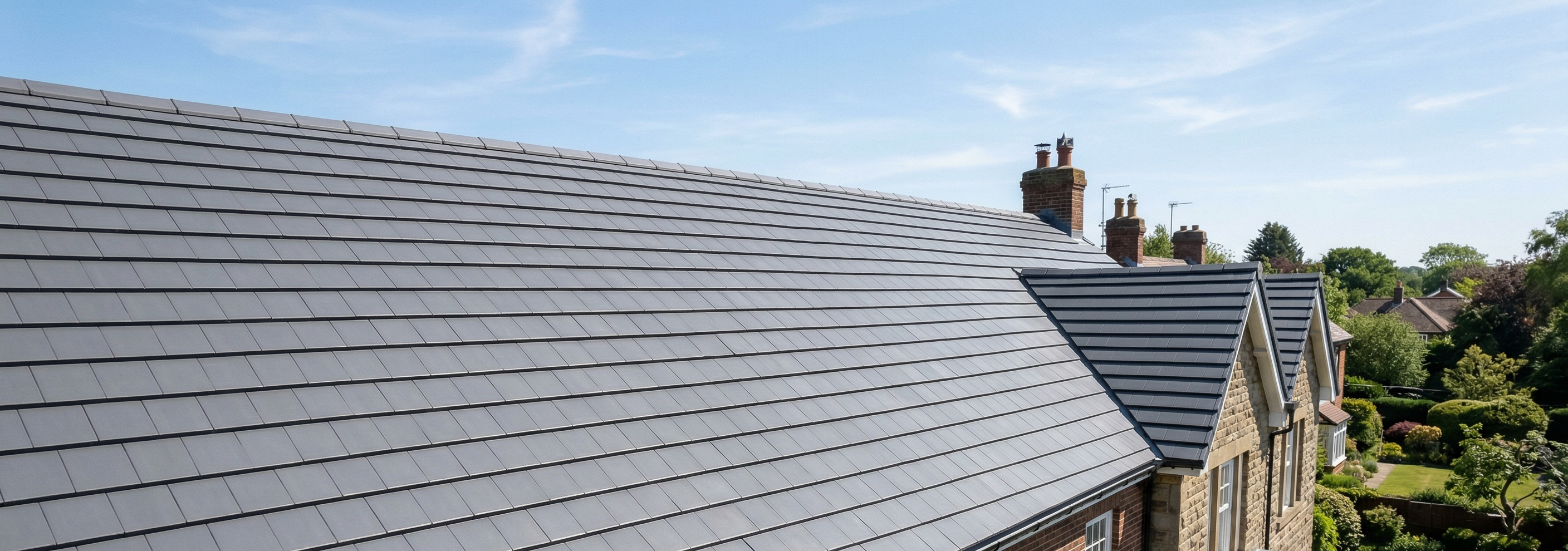
Best Paint for Roof Tiles? Why Water-Based Acrylic is the Smart Choice
- 0 opmerkingen
- door Sam Marriott
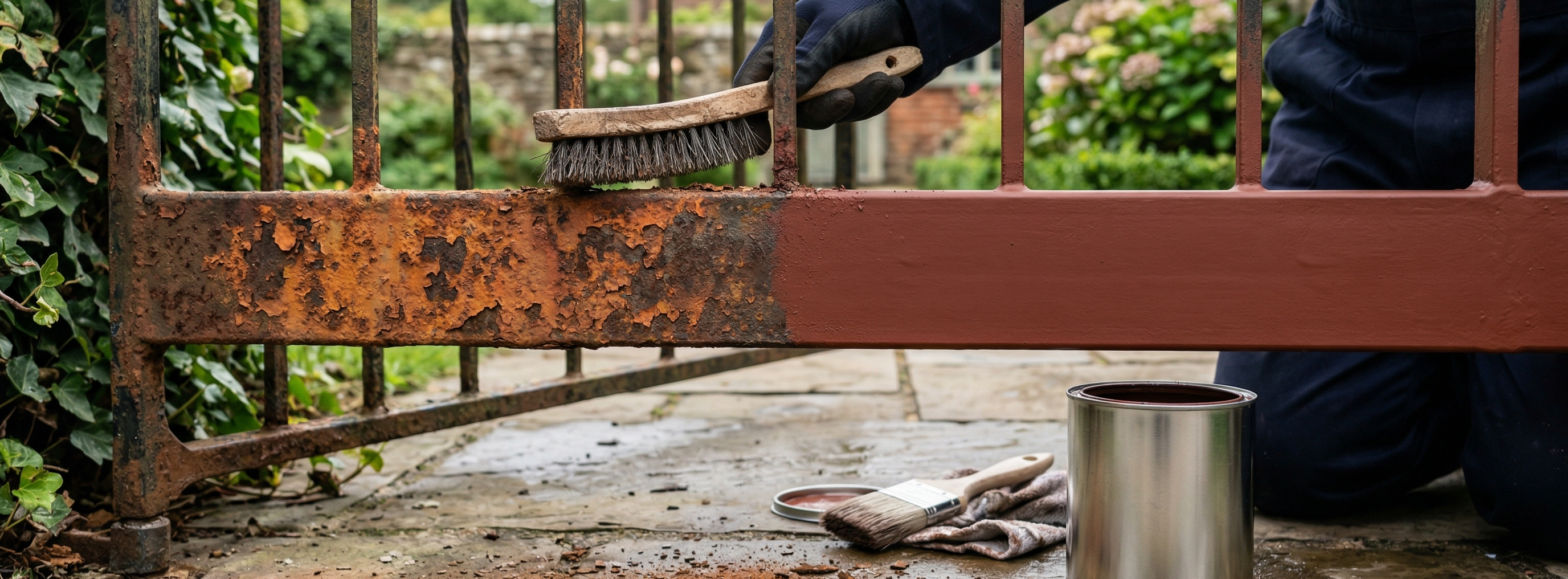
How to Paint Rusty Metal: Why You Need an Oxide Primer
No guides found matching your search.
Try a different keyword.
By Surface, Use & Performance
Paints and Coating Selection
Guides to help you choose the correct coating based on substrate type, exposure conditions and performance requirements. Designed to match the right system to the job.
Best Paint for Exterior Metal? Why Oil-Based Gloss is the Ultimate Topcoat
Best Paint for Fence Panels? Why You Need Water-Based Acrylic
Best Paint for Decking? Why You Need Water-Based Acrylic
Best Paint for Exterior Cladding: Acrylic vs. Oxide Gloss
Best Paint for Roof Tiles? Why Water-Based Acrylic is the Smart Choice
How to Paint Rusty Metal: Why You Need an Oxide Primer
Coating Selection Explained
Paints & Coatings Selection FAQ’s
SURFACE TYPE & SUBSTRATE SELECTION
Different substrates require coatings designed for their specific properties. Identifying the surface correctly is the first step in selecting a suitable system.
How do I choose the right paint for different surfaces?
Each surface type behaves differently and requires a coating designed for its specific properties. Masonry is porous and often requires breathable coatings, metal requires corrosion protection, wood expands and contracts with moisture, cladding surfaces are often smooth and coated, and roof tiles are exposed to extreme weathering. Selecting a coating without considering these factors can lead to adhesion failure or reduced durability.
Can I use one paint across wood, metal and masonry?
Some products are marketed as multi-surface coatings, but performance is typically optimised when using systems designed specifically for each substrate. For example, metal coatings require anti-corrosion properties, while masonry coatings must allow moisture vapour to escape.
What is the best paint for exterior masonry?
Exterior masonry coatings should be breathable, weather-resistant and capable of handling moisture movement within the substrate. This is particularly important for older buildings or areas exposed to damp conditions.
What should I use for metal surfaces like gates and railings?
Metal surfaces require coatings that provide corrosion protection and strong adhesion. Direct-to-metal (DTM) systems or primer and topcoat combinations are commonly used depending on the condition of the substrate.
How do I choose paint for wood surfaces?
Wood requires coatings that can accommodate movement caused by moisture and temperature changes. Systems typically include primers, undercoats and flexible topcoats to ensure durability.
What is the best coating for cladding?
Cladding often has pre-coated or smooth surfaces such as plastisol or powder-coated panels. These require specialist systems with strong adhesion and compatibility with existing coatings.
ENVIRONMENT, EXPOSURE & PERFORMANCE
The environment and level of exposure determine the performance requirements of the coating system.
How does exposure affect which coating I should choose?
External surfaces are exposed to UV, rain, temperature changes and pollutants. Coatings must be selected based on their ability to withstand these conditions. Internal environments typically have lower demands.
What is the best paint for exterior use?
Exterior coatings should be weather-resistant, UV stable and flexible enough to handle temperature fluctuations. The correct system depends on the substrate and level of exposure.
Do I need different coatings for roofs compared to walls?
Yes. Roof coatings must handle higher levels of weather exposure, water runoff and UV radiation. They are designed differently from wall coatings and should be selected accordingly.
How do I choose coatings for high-moisture areas?
Surfaces exposed to moisture require breathable or moisture-tolerant systems to prevent trapping water behind the coating.
Does sunlight affect coating performance?
Yes. UV exposure breaks down coatings over time, causing fading, chalking and eventual degradation. UV-resistant coatings are essential for external applications.
What happens if I choose the wrong coating for the environment?
The coating may degrade prematurely, lose adhesion or fail to provide adequate protection, leading to increased maintenance and reapplication.
COATING TYPES, SYSTEMS & COMPATIBILITY
Selecting the correct coating type and ensuring system compatibility is essential for performance and durability.
What is the difference between different coating types?
Different coatings offer different performance characteristics. For example, acrylic coatings are versatile and breathable, epoxies offer high durability, and polyurethanes provide flexibility and UV resistance. The correct choice depends on the substrate and environment.
Do I need a primer for all surfaces?
In most cases, yes. Primers improve adhesion, seal porous substrates and provide a stable base for topcoats. Some direct-to-substrate systems exist, but preparation remains critical.
Can I apply new coatings over old paint?
Only if the existing coating is sound and compatible. Failing or incompatible coatings must be removed before applying a new system.
What is a coating system and why is it important?
A coating system consists of preparation, primers and topcoats working together. Each layer contributes to adhesion, durability and finish. Treating coatings as a complete system ensures reliable performance.
Are all coatings compatible with each other?
No. Some coatings may not bond correctly with others or may react negatively. Compatibility must always be considered when recoating.
What is the biggest mistake when selecting paint or coatings?
Choosing based on price or convenience rather than substrate type, environment and performance requirements. This often leads to premature failure and higher long-term costs.

The Help & Technical Hub
Our coatings are backed by more than just performance — they’re supported by clear documentation, practical guides, and real technical support.
The Help & Technical Hub brings together preparation guides, application advice, FAQs, SDS & TDS downloads, and system recommendations to help you choose, apply, and maintain the right coating with confidence.