System Overview
For wood, metal, and previously coated architectural surfaces, protective finishing coatings provide the final layer within a coating system, delivering both decorative appearance and environmental protection. These coatings form a durable surface film designed to protect exposed substrates from weathering, moisture, and routine wear.
Architectural components such as timber joinery, gates, railings, fences, and metal fixtures are often exposed to varying environmental conditions. Without a protective topcoat, these materials can deteriorate through moisture exposure, UV radiation, and surface abrasion from regular use.
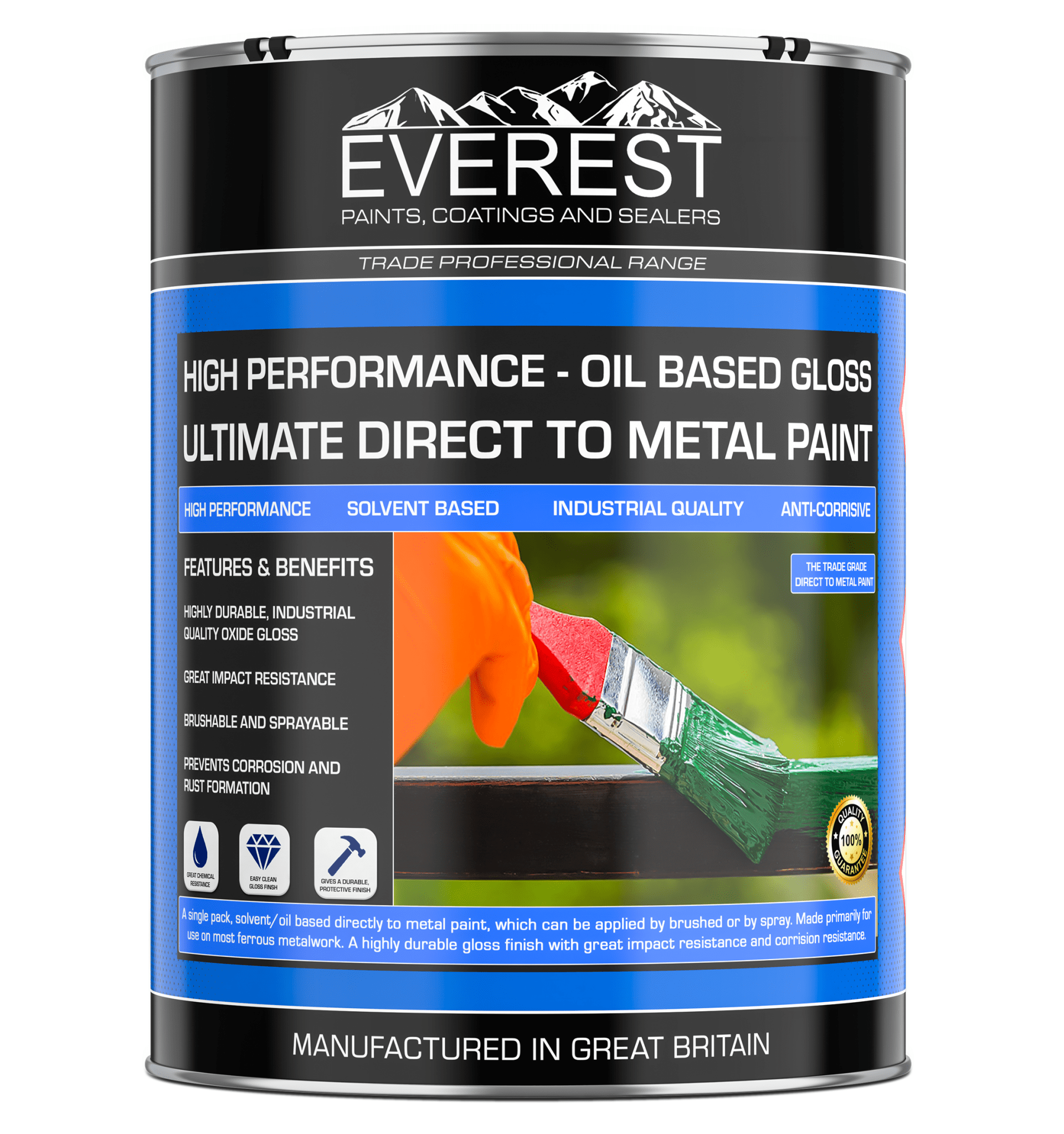
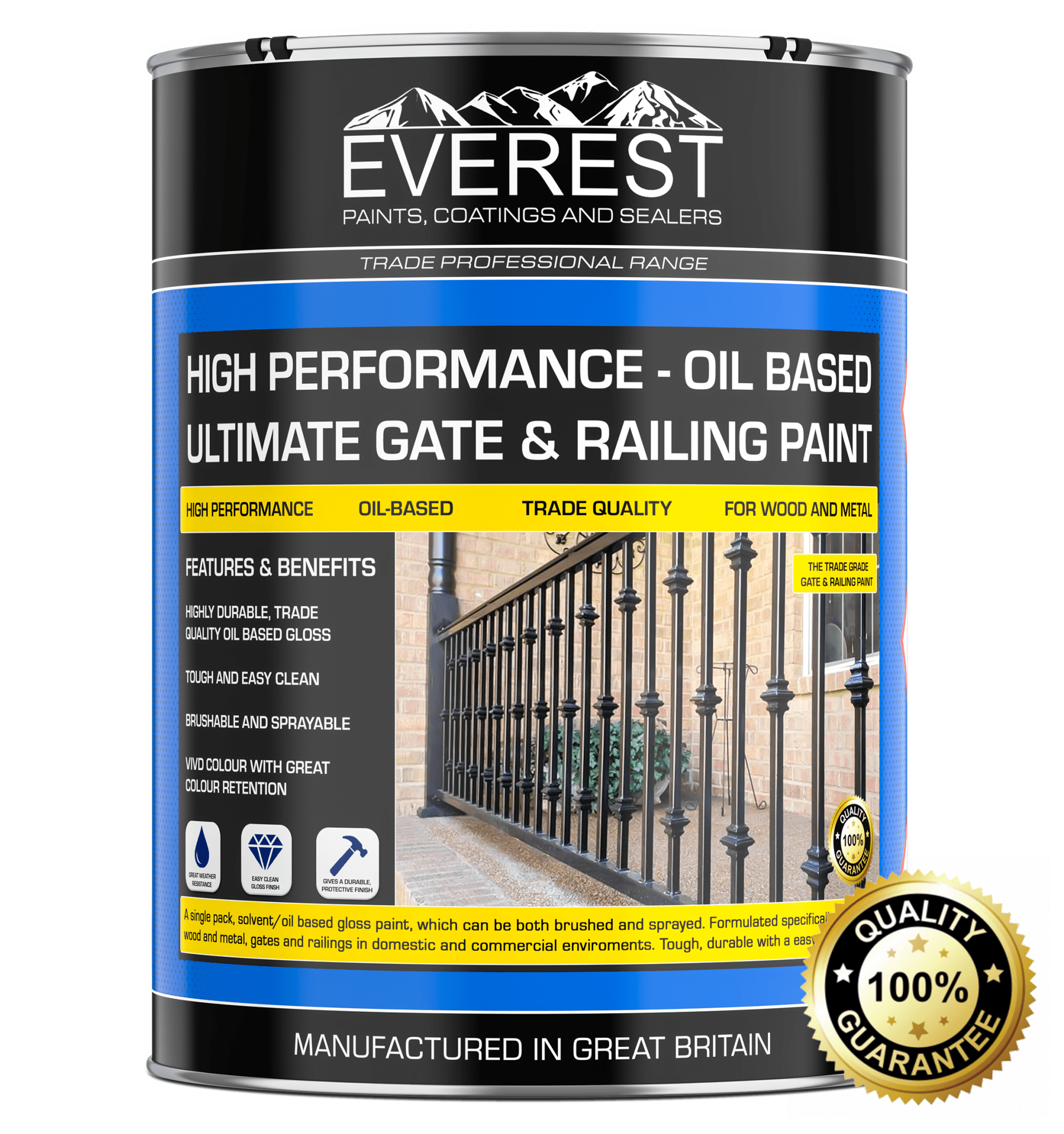
EVEREST protective finishes are formulated using oil-based and water-based acrylic technologies designed to provide durable topcoat protection for architectural wood and metal surfaces. These coatings produce smooth finishing layers that protect the underlying substrate while maintaining decorative appearance across residential and light commercial environments.
Protective finishes are typically applied as the final stage of a coating system following appropriate primers and preparation layers.
Suitable Substrates & Surface Preparation
Wood and metal surfaces require correct preparation before applying protective finishing coats to ensure reliable adhesion and long-term durability.
Timber substrates such as doors, fencing, joinery, and external woodwork should be clean, dry, and free from degraded fibres or loose coatings. Sanding may be required to smooth the surface and remove unstable material prior to coating.
Metal surfaces including railings, gates, balustrades, and structural fixtures must be free from rust, grease, and loose paint before applying finishing coatings. Mechanical preparation methods such as sanding or wire brushing are commonly used to remove corrosion and create a stable surface.
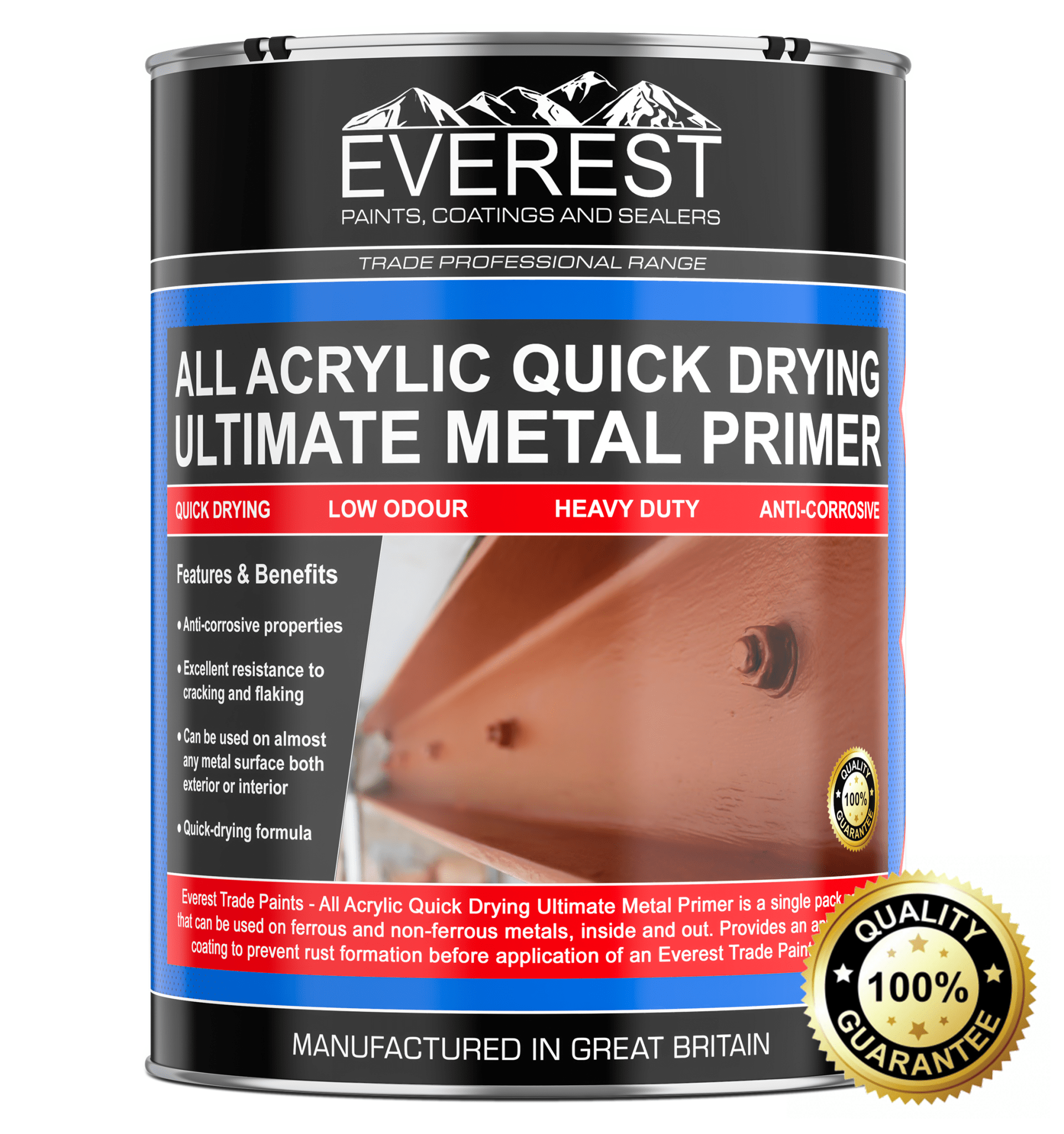
Where bare metal is exposed, compatible metal primers should typically be applied before the finishing coat to provide corrosion protection and improve adhesion.
Previously coated surfaces can often be recoated where the existing coating remains sound and firmly adhered. Loose or deteriorated coatings should be removed and the surface lightly abraded before applying the protective finish.
Correct preparation ensures the finishing layer bonds effectively to the underlying substrate or primer system.
Performance Characteristics & Limitations
Protective finishing coatings provide the outermost barrier within a coating system, protecting the substrate and underlying primer layers from environmental exposure.
Oil-based protective finishes often produce durable, smooth films that offer good surface coverage and traditional decorative appearance on both timber and metal elements. These coatings can provide robust protection in exterior environments when applied over correctly prepared substrates.
Water-based acrylic finishes provide practical weather resistance and colour stability, while also offering relatively straightforward application and faster drying characteristics compared with many solvent-based coatings.
These coatings improve resistance to routine environmental exposure such as rainfall, UV radiation, and surface contamination. They also help maintain a cleanable surface on architectural elements exposed to handling or general use.
Despite these benefits, coatings in this category are typically designed for light to medium duty environments. They are not intended to provide protection against aggressive industrial atmospheres, severe chemical exposure, or constant mechanical abrasion.
Internal vs External Considerations
Protective finishes can be used on both interior and exterior wood and metal surfaces depending on the selected formulation and environmental exposure.
Exterior applications such as gates, railings, fencing, and external joinery require coatings capable of resisting weather exposure including rain, sunlight, and temperature variation. Properly applied protective finishes help reduce moisture penetration and maintain the decorative appearance of exposed architectural elements.
Interior applications may include timber trim, doors, and metal fixtures where a durable decorative finish is required alongside resistance to routine cleaning and handling.
Environmental conditions should always be considered when selecting a finishing system, particularly where exterior exposure or moisture conditions may influence long-term durability.
Selection Guidance & When to Specify Alternatives
Protective finishes are typically specified as the final decorative and protective layer within coating systems applied to wood and metal architectural surfaces. They provide the visible finish while protecting the underlying primer and substrate from environmental exposure.
These coatings are commonly used for maintenance and refurbishment of timber joinery, fencing, gates, railings, and architectural metalwork across residential and light commercial environments.
However, where substrates are exposed to more demanding service conditions, higher performance protective systems may be required. Surfaces exposed to increased corrosion risk, heavy abrasion, or prolonged environmental exposure may benefit from specialist anti-corrosion coatings or advanced protective systems.
Selecting the appropriate protective finish should therefore consider the substrate material, environmental exposure, and compatibility with the primer system to ensure the coating provides reliable long-term protection.